
The neglect of catechizing has been a great inlet of all corruption in doctrine and worship. This hath been the cause that so many are ignorant of the principles of religion, and so easily led aside into error.
—Benjamin Keach, Instructions for Children
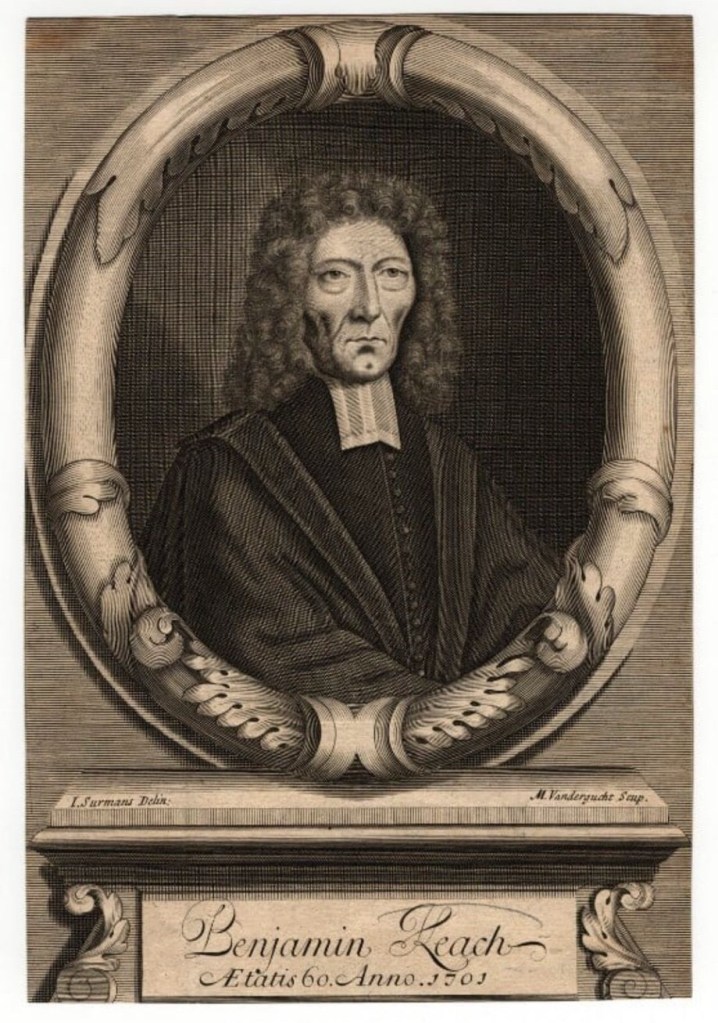
Benjamin Keach stands as one of the most formative pastor-theologians among the English Particular Baptists. Born in 1640, Keach came to embrace believer’s baptism as a young man and was soon immersed in controversy, not by ambition, but by conviction. At a time when conformity to the established church was enforced by law, Keach’s Baptist commitments placed him squarely in the path of persecution.
His most infamous trial came in 1664, when he was fined, pilloried, and imprisoned for publishing a catechism that taught Baptist doctrine. Rather than softening his stance, this public humiliation only clarified his calling. Keach understood that the strength of the church does not rest in novelty, cultural acceptance, or emotional fervor, but in the careful instruction of God’s people in the truths of Scripture.
For more than three decades, Keach served as pastor of the Horsleydown congregation in Southwark. There he labored to unite confessional fidelity with pastoral warmth. He was a key defender and promoter of the Second London Baptist Confession (1689), a tireless advocate for catechesis, and a significant figure in the early development of congregational hymn singing among Baptists.
Keach’s enduring legacy lies in his insistence that doctrine is not an obstacle to devotion, but its foundation. He believed that ignorance leaves believers vulnerable, while instruction anchors them in Christ. In an age marked by doctrinal confusion and shallow religion, Keach’s warning still rings true: when the church neglects to teach the faith once delivered to the saints, corruption in worship and belief is never far behind.
This post is part of an ongoing series at Particularly Modern highlighting 17th-century Particular Baptist divines addressing modern souls.
 Particularly Modern
“Keach’s enduring legacy lies in his insistence that doctrine is not an obstacle to devotion, but its foundation.” Couldn’t agree more! Unfortunately this is not only hard to accept sometimes but even taught against. Just another byproduct of the churches marriage to modernism and the tyranny of the emotions that follow.
LikeLiked by 1 person