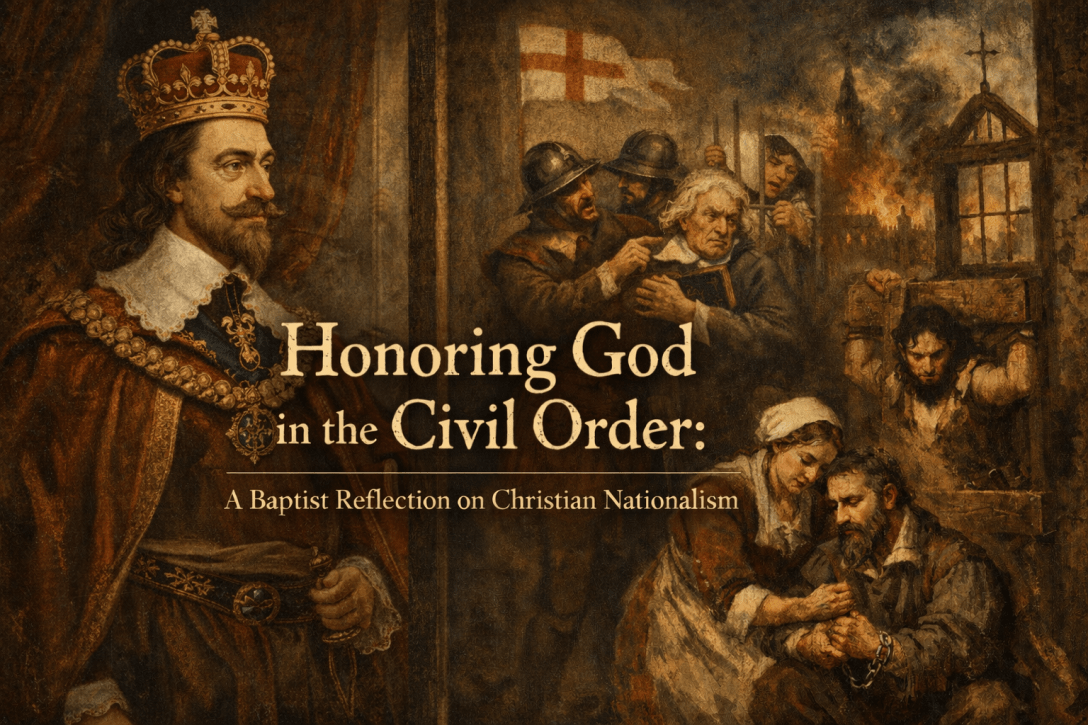
Wolfe's post highlights a key distinction between church establishment and civil duty. By focusing on honoring God, he challenges common misconceptions about Christian nationalism and its implications for civil governance.
17th century Particular Baptist divines addressing modern souls…
Wolfe's post highlights a key distinction between church establishment and civil duty. By focusing on honoring God, he challenges common misconceptions about Christian nationalism and its implications for civil governance.
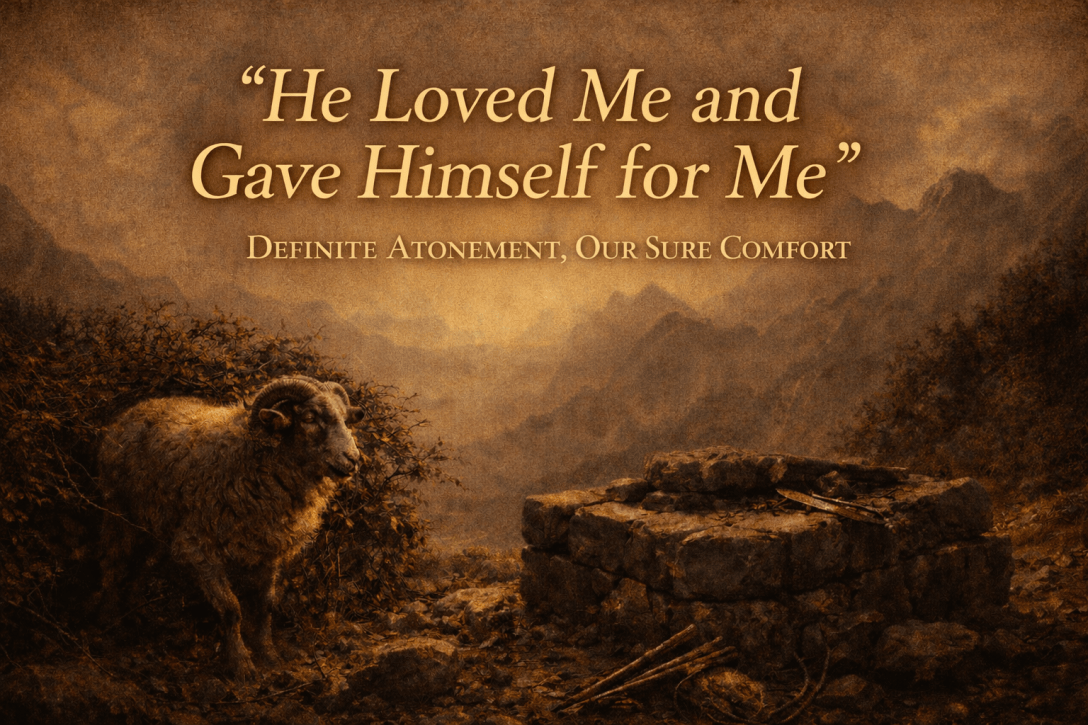
In the doctrine of definite atonement, the atonement's scope is both infinite and particular. Christ's sacrifice, made for the Father's elect, is seen as a purposeful act, not a general gesture. This theological perspective, grounded in the Second London Baptist Confession, emphasizes the singular redemption of those God has chosen, challenging misconceptions of universal inadequacy.
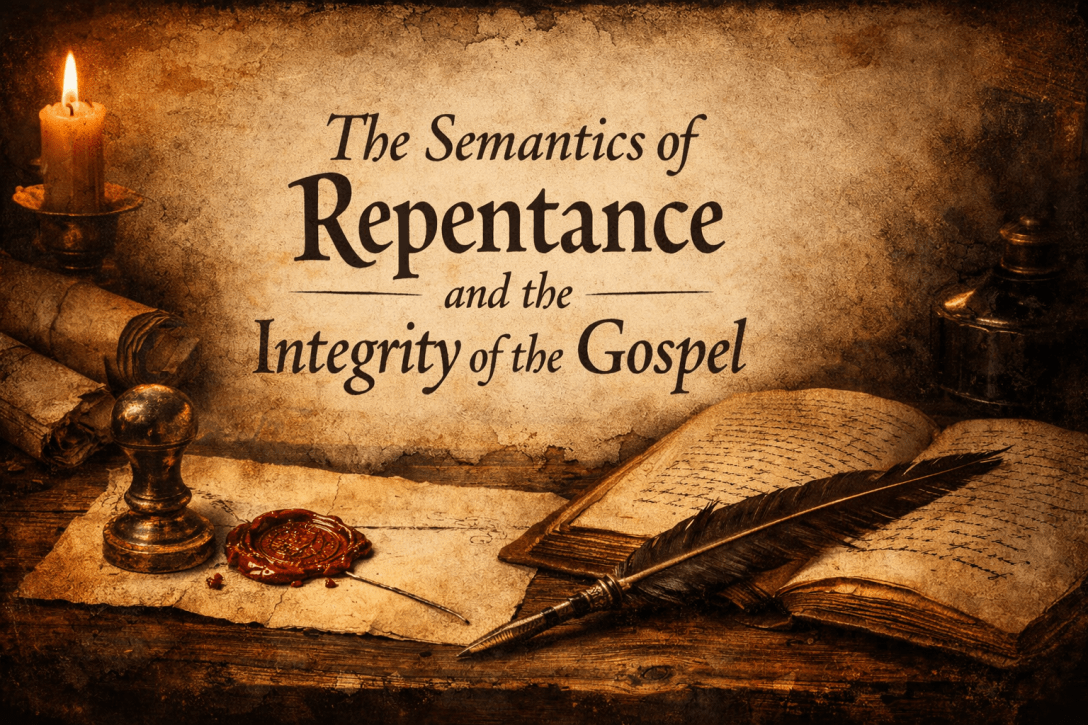
In discussions of justification, understanding the term 'repent and believe' is crucial. Often misinterpreted, it can mean a complete moral transformation before God's acceptance. The Reformed tradition emphasizes repentance as a response to God's mercy, not a precondition for justification.
Theology Proper explores the doctrine of God, highlighting His trinitarian nature and the distinction between His shared attributes and incommunicable ones. This understanding emphasizes the unique and infinite character of God, which surpasses human comprehension.

In the modern 'manosphere,' hyper-masculinity has become a spectacle, driven by insecurity and monetized through digital platforms. True masculinity, however, transcends loudness and aggression, embodying restraint, responsibility, and quiet courage as exemplified by Jesus Christ.

Amidst disruption and fear, Churches like Cities Church stand resilient, reaffirming their commitment to worship and community, even when faced with external hostility and intimidation.
Imagine a society where the church fades into the background, replaced by a nation's shared values. Here, Christianity isn't about doctrine but about living a life that mirrors the nation's ethos. It's a plan where faith is as enduring as the land itself.
Beware the trap of reactionary traditionalism, where cultural nostalgia overshadows biblical wisdom. True reformational fidelity demands a fuller vision that honors God's design and resists both feminism's subversions and patriarchy's distortions.
The resurgence of interest in political theology among Christians prompts a crucial examination of the historical roots of liberty and conscience. As The Particular Baptist Podcast and Blog challenge the notion that early Baptists supported secular liberty, it's vital to understand the distinct theological foundations shaping their views. This exploration promises deeper insights into the intersection of faith and governance.
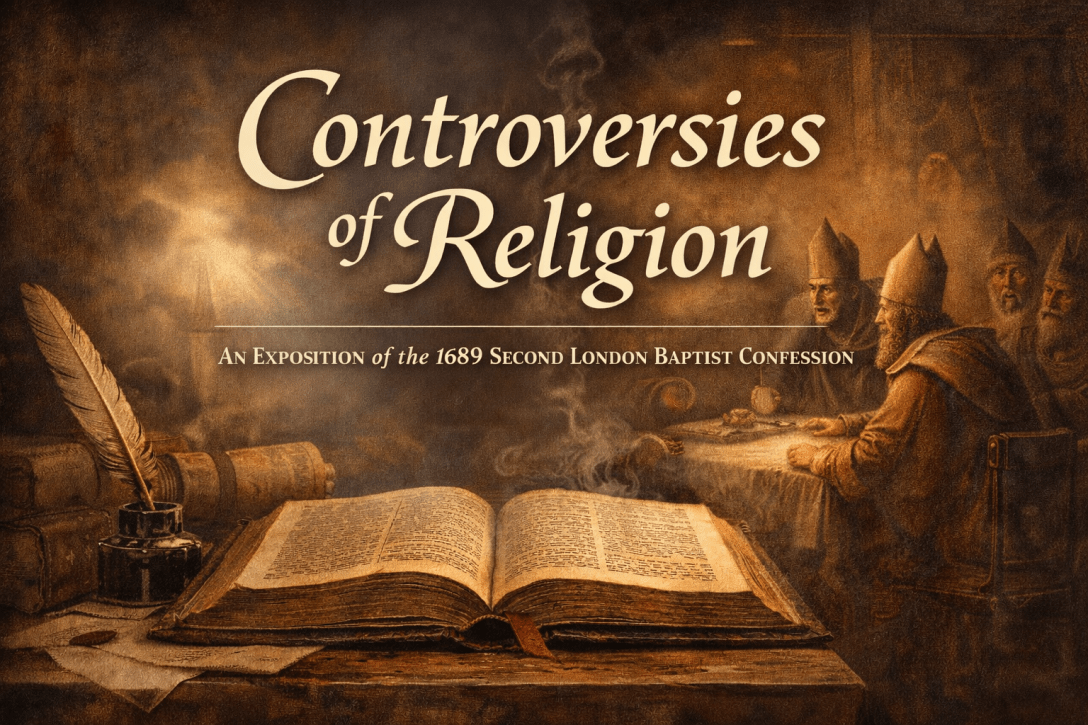
Throughout the history of the church, controversies of religion have repeatedly forced the church to clarify what she believes, why she believes it, and by what authority those beliefs are established. These controversies, ancient and modern, demonstrate why Chapter 1 of the 1689 Confession begins where it does. The supreme judge in all matters of religion is not tradition, experience, or ecclesiastical authority, but the Word of God itself.
 Particularly Modern