
“Tender consciences ought not to be pressed with doubtful things, nor the peace of the church broken for that which Christ hath not plainly required.”
— William Kiffin, A Sober Discourse of Right to Church-Communion (1681)
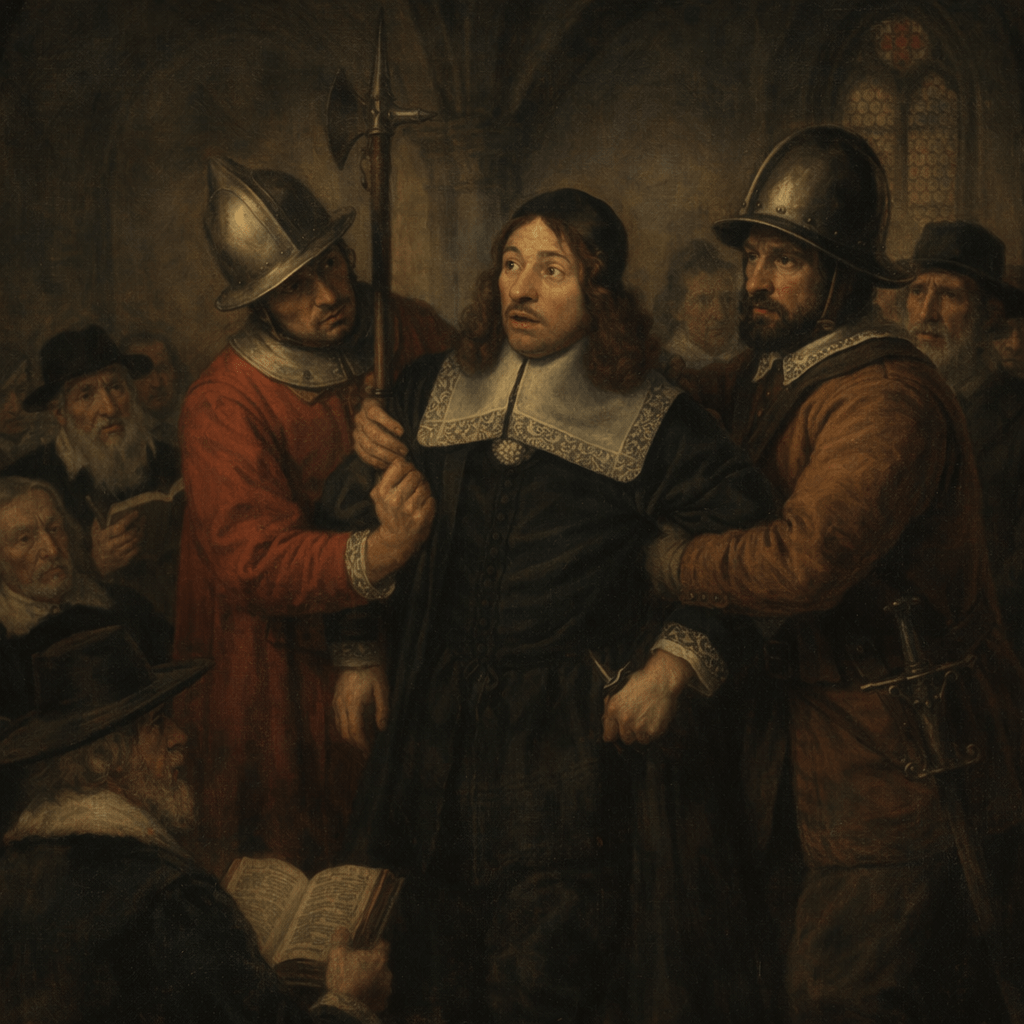
William Kiffin (1616–1701) stands as one of the most influential and enduring figures among the seventeenth-century Particular Baptists. A gifted pastor, confessional churchman, and respected merchant, Kiffin helped give shape and stability to the early Calvinistic Baptist movement in England. He was a signatory of the First London Baptist Confession (1644) and later a leading supporter of the Second London Baptist Confession (1677/1689), laboring to show that Baptists were neither sectarian radicals nor theological innovators, but heirs of the Reformed faith ordered according to Scripture.
Yet Kiffin’s long ministry was marked by repeated persecution from the English church. Under successive regimes, laws against nonconformity were enforced with varying severity, and Kiffin was arrested multiple times simply for gathering the church for worship. Soldiers disrupted meetings, congregants were fined or imprisoned, and pastors were hauled before magistrates. On more than one occasion, Kiffin was seized during or immediately after a church assembly, his crime being nothing more than preaching Christ outside the bounds of the established state church.
The cost was not merely public. Kiffin buried children who died in prison as a result of their own faithful witness, and he endured the constant threat of loss, of liberty, property, and life. Yet even his enemies acknowledged his integrity. His reputation as an honest businessman and peaceable Christian often forced reluctant authorities to release him, unable to sustain charges beyond the fact that he would not violate his conscience.
Kiffin’s life embodies the sober courage of the early Particular Baptists: principled, confessional, and unyielding where Christ alone is Lord of the church. He did not seek persecution, but neither did he flee from it, counting faithfulness to Christ worth more than safety or his own fortune.
This post is part of an ongoing series at Particularly Modern highlighting 17th-century Particular Baptist divines addressing modern souls.

 Particularly Modern